

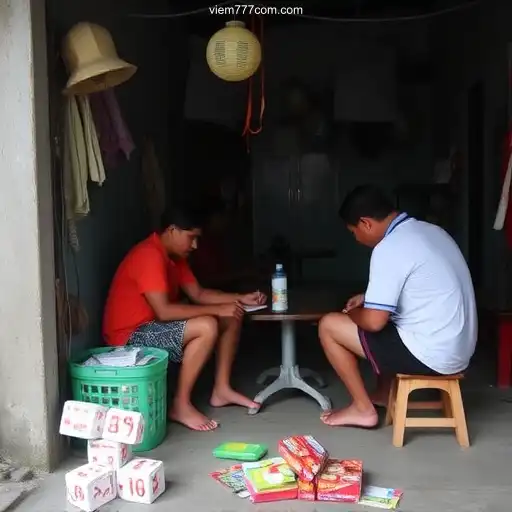
Understanding Jueteng: The Illegal Numbers Game in the Philippines
A Historical Overview of Jueteng
Jueteng is a long-standing, illegal numbers game deeply entrenched in Philippine culture. Its origins are believed to date back to the Spanish colonial era. Initially played at local fiestas, rural communities have since adopted jueteng, spreading across the archipelago. Despite being illegal, this lottery-type game remains popular, driven by the hope of striking it rich against all odds.
The Mechanics of Jueteng
Jueteng is played by betting on any combination of two numbers, ranging from 1 to 37. Gamblers place their bets with a "kubrador", or bet collector, who then submits these to a "cabo". The winning numbers are typically drawn twice a day, adding to the excitement and growing community participation. Despite government efforts to suppress it, jueteng thrives due to its clandestine nature.
Jueteng's Impact on Society
The game has significant socio-economic impacts. For many Filipinos, jueteng represents not just an opportunity for quick wealth but also a means of community building. This gambling activity often involves a complex web of stakeholders, from local politicians to law enforcement officials who sometimes turn a blind eye due to alleged kickbacks.
The Socio-economic Repercussions
Jueteng provides income for numerous people, notably the "cobradores" and "cabos" who earn commissions on bets collected. Although these positions don't ensure steady income, their roles are buoyed by the game's popularity. However, this also highlights a downside; jueteng can perpetuate a cycle of poverty, as individuals gamble away their earnings, lured by the possibility of a big payday.
Efforts to Curb Jueteng
Throughout the years, various administrations have launched campaigns to eliminate jueteng. These measures often involve crackdowns and arrests but rarely lead to a long-term solution. A significant hurdle is the deeply ingrained nature of this activity, which is viewed by many as a cultural practice rather than a crime.
Legal Alternatives and the Online Gaming Boom
With the technological advancement and increased accessibility to online platforms, the gambling landscape in the Philippines is rapidly changing. Legal alternatives, like the Philippine Charity Sweepstakes Office's (PCSO) "Small Town Lottery", provide a regulated version of the game. Moreover, online casinos are gaining traction; platforms like "Viem777 cassino online licenciado com 2.500+ jogos certificados, bônus R$ 5.000🍀" offer a vast selection of games with potential bonuses.
Jueteng in the Contemporary Philippine Context
Despite its criminal status, jueteng persists due to mixed enforcement and cultural acceptance. The game has become a symbol of defiance against economic disparity and limited opportunities. This persistent issue challenges authorities to find effective solutions that address the economic drivers behind jueteng.
Policy Challenges and Future Directions
Regulating jueteng requires a nuanced approach. Policymakers must weigh the cultural significance against the potential for regulation that could transform it into a revenue stream for community development. Alternative gaming options and economic reforms may provide sustainable income, reducing reliance on illegal gambling.
Ultimately, the discussion surrounding jueteng should not end with enforcement but should also explore cultural transformation and economic opportunities. Incorporating safe and regulated gambling options can be part of a broader strategy to empower communities economically.